
I got my own recruiting wrong. So I built the service I wish I'd had.
TeamFacts is run by a former college player, not a recruiting service that gets paid to make you feel good. This page is the honest version of who we are, and why the honest answer is the entire product.
I thought I had my recruiting figured out. I didn't.
I played college baseball. I also got cut from a varsity roster, landed on a secondary squad, and eventually transferred. It's the whole arc nobody puts in their recruiting highlight reel.
Here's the part that stuck with me: the warning signs were all there. The roster math, the recruiting classes ahead of me, where I realistically stacked up against the schools I was chasing. It was sitting in plain data. I just didn't know how to read it, and nobody was in a hurry to teach me.
Recruiting services are paid to keep you optimistic. Coaches are recruiting dozens of kids for a couple of spots. The people who told me what I wanted to hear weren't villains. They just weren't on my side of the table. And by the time I understood the fit I was actually a match for, I'd already spent a year and a lot of money aiming at the wrong schools.
So I built the thing I needed at 17: a straight, data-backed read on where a player like you can actually play. Today, I personally use TeamFacts data to build each player's college fit list and deliver it within 3 business days. Dream schools and safety schools, side by side, no spin.
We're analysts, not a sales floor.
Most of the recruiting industry makes money on hope. We make it on being right. Those are very different businesses, and they build very different products.
Every list, built from evidence
Your list is built from data across NCAA and NAIA baseball programs: roster trends, recruiting patterns, performance, measurables, geography, and the factors that actually shape fit. Not marketing copy. Analysis.
A full board, not just dream schools
I build your list across the full ladder, from aspirational reaches down to schools where your profile is a stronger fit. A recruiting list that only flatters you is useless the day you need it most.
No pay-to-play recommendations
No program, camp, or recruiting service pays to be placed higher on your list. The recommendations are driven by your information and the data, not by who pays us for exposure.
A college list built around your actual fit.
You send me your measurables, position, academics, geography, preferences, and other recruiting information. I analyze it against TeamFacts data and build your personalized college list within 3 business days, organized into five fit zones.
The goal isn't to hand you a list of impressive logos. It's to give you a balanced recruiting board — from aspirational options to stronger-fit schools — so you know where to focus your time, outreach, camps, and conversations.
Give me your profile. I'll build the list.
Submit your player information and I’ll do the research for you. Within 3 business days, you’ll receive a personalized college fit list built from TeamFacts data and organized by fit — so you can spend less time guessing and more time recruiting the right schools.
Don’t Leave Your College Baseball Future to Chance
The truth is, too many players commit to what seems like the “perfect” program—only to find themselves stuck on an overcrowded roster, buried on the depth chart, or transferring after a year. I know, because I went through it myself.
I learned the hard way that the right research could have prevented those mistakes. I was fortunate to get a second chance at a fulfilling college baseball experience, but not every player gets that opportunity.
That’s why I built TeamFacts—a platform designed to make sure families get it right the first time.
With a subscription to TeamFacts, you’ll be able to:
 Find overlooked opportunities – search over 1,000 college baseball programs to discover the schools that truly fit your athlete. Spot red flags before committing – access insights you won’t find on rosters or recruiting sites. Stay organized – track coach communication, offers, and progress so nothing slips through the cracks.
The recruiting window is short. Every season, countless players miss out on the right opportunities because they didn’t have the tools or information they needed.
 Don’t risk your future on guesswork. Start your TeamFacts subscription today and take control of your recruiting journey—with clarity, confidence, and a proven system built for families just like yours.
Here’s the story behind why I created TeamFacts. Like many other players, my life revolved around baseball growing up (and it still does in many ways).
Playing college baseball was always a dream of mine. Through a lot of hard work and dedication, that dream turned into a reality.
The excitement of stepping foot on campus as a freshman student-athlete didn’t last very long though. That feeling quickly shifted to concern, regret, and disappointment.
What I thought was the perfect college baseball program for me… was not. Not even close actually.
Something that I hadn’t shared with many people is that I was cut from the varsity team. I was placed on their secondary team, which provided for a very different college baseball experience than what I was looking for.
Luckily I had (and still have) a great support group around me that helped me through the situation. I transferred to a new school the following year, and proceeded to have an incredible college baseball experience. One that I wouldn’t trade for anything.
A few years after graduating, I started to reflect. I realized a few things.
While I had primarily pointed the finger as to why my first college didn’t work out, I started to understand that I shared responsibility in that outcome.
If I had properly researched the program, I would have uncovered some of the ticking time bombs that impacted my experience.
My second realization is that many other players will go through a similar situation, and even worse, a lot of baseball careers will end in that manner.
Knowing how great my college baseball experience was (post-transfer), that one really hit home.
With both of those things top of mind, I decided to develop a resource for aspiring college baseball players called TeamFacts.
I built it to address three main areas where players and parents stumble during their college baseball search.
1.Cast a wide net. Opportunities hide in unexpected places. With over 1,000 four year college baseball schools out there, players need a way to effectively explore beyond the obvious.
2. Research is VITAL to your future success. It is time consuming and can be challenging though. To normalize proper research during the college baseball search and recruiting process, players need a platform to do so.
3.The recruiting journey is rarely a straight path, making it challenging to track and navigate. Players would get more consistent results with a way to organize their recruitment with clear next steps.
My goal? To provide players and families with an online tool that will help them make the right college selection the first time.
Not every player is in a position to get a second chance. If you’ve made it this far, thank you. I would encourage you to check out this resource and share with others that could benefit from it.
For student athletes, college should be an invigorating experience, challenging them both on and off the field. Unfortunately, we continue to see a high percentage of student athletes that aren’t happy with the schools they land at, and we feel that in most situations, this can be avoided by making smarter, more informed decisions during the recruiting process. The biggest challenges we’ve seen with the recruiting process all stem from a lack of reliable information.
There are several resources that assess the academic characteristics of a college, but recruits rarely have the opportunity to get accurate information about the athletic side. We have experienced the recruiting process from several perspectives and recognize the importance of data. With a reliable source of information, we strongly believe that aspiring college baseball players will be more prepared at every step of the recruiting process.
I lived the recruiting journey firsthand. What I thought was the “perfect” college baseball fit… wasn’t.
On the surface, everything looked right. But once I was on campus, the reality set in. The program brought in more players than it could realistically keep, very few freshmen stayed long-term, and transfers were happening all the time.
At first, I blamed the program. But over time, I realized I had to take some responsibility too. With the right research, I would have recognized those red flags before committing.
Fortunately, I had a strong support system and a second chance. I transferred and went on to have an amazing college baseball experience at Kutztown University—one I wouldn’t trade for anything. But not every player gets that opportunity. Too many dreams of playing college baseball end before they really start.
That’s why I built TeamFacts—the resource I wish I had.
TeamFacts is designed to help players and families:
Find the right opportunities – With over 1,000 college baseball programs across the country, many great fits go unnoticed.
Do the research – Proper research is essential, but it’s overwhelming and time-consuming without the right tools.
Stay organized – The recruiting journey is rarely straightforward. Players need a clear way to track communication, offers, and next steps.
My goal is simple: to help families make the right college decision the first time.
If you’re chasing the dream of playing college baseball, go into the process with clarity, confidence, and the tools to find the right fit. TeamFacts is here to help you do exactly that.
Here’s the story behind why I created TeamFacts. Like many other players, my life revolved around baseball growing up (and it still does in many ways).
Playing college baseball was always a dream of mine. Through a lot of hard work and dedication, that dream turned into a reality.
The excitement of stepping foot on campus as a freshman student-athlete didn’t last very long though. That feeling quickly shifted to concern, regret, and disappointment.
What I thought was the perfect college baseball program for me… was not. Not even close actually.
Something that I hadn’t shared with many people is that I was cut from the varsity team. I was placed on their secondary team, which provided for a very different college baseball experience than what I was looking for.
Luckily I had (and still have) a great support group around me that helped me through the situation. I transferred to a new school the following year, and proceeded to have an incredible college baseball experience. One that I wouldn’t trade for anything.
A few years after graduating, I started to reflect. I realized a few things.
While I had primarily pointed the finger as to why my first college didn’t work out, I started to understand that I shared responsibility in that outcome.
If I had properly researched the program, I would have uncovered some of the ticking time bombs that impacted my experience.
My second realization is that many other players will go through a similar situation, and even worse, a lot of baseball careers will end in that manner.
Knowing how great my college baseball experience was (post-transfer), that one really hit home.
With both of those things top of mind, I decided to develop a resource for aspiring college baseball players called TeamFacts.
I built it to address three main areas where players and parents stumble during their college baseball search.
1.Cast a wide net. Opportunities hide in unexpected places. With over 1,000 four year college baseball schools out there, players need a way to effectively explore beyond the obvious.
2. Research is VITAL to your future success. It is time consuming and can be challenging though. To normalize proper research during the college baseball search and recruiting process, players need a platform to do so.
3.The recruiting journey is rarely a straight path, making it challenging to track and navigate. Players would get more consistent results with a way to organize their recruitment with clear next steps.
My goal? To provide players and families with an online tool that will help them make the right college selection the first time.
Not every player is in a position to get a second chance. If you’ve made it this far, thank you. I would encourage you to check out this resource and share with others that could benefit from it.
For student athletes, college should be an invigorating experience, challenging them both on and off the field. Unfortunately, we continue to see a high percentage of student athletes that aren’t happy with the schools they land at, and we feel that in most situations, this can be avoided by making smarter, more informed decisions during the recruiting process. The biggest challenges we’ve seen with the recruiting process all stem from a lack of reliable information.
There are several resources that assess the academic characteristics of a college, but recruits rarely have the opportunity to get accurate information about the athletic side. We have experienced the recruiting process from several perspectives and recognize the importance of data. With a reliable source of information, we strongly believe that aspiring college baseball players will be more prepared at every step of the recruiting process.
How It Works
Search through our database of over 1,000 NCAA and NAIA baseball schools, and access key insights for each program.
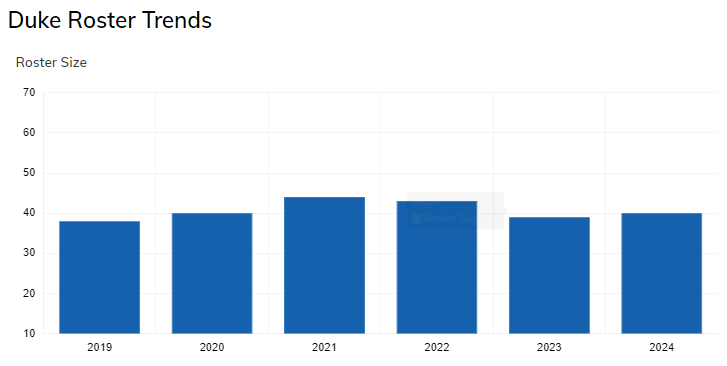
Save the schools that you are interested in.
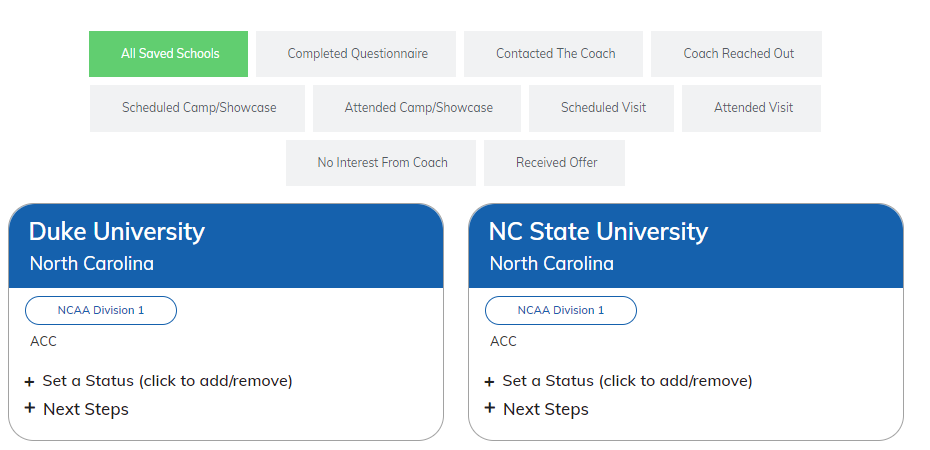
Take the next steps with ease, whether it’s emailing the coach, completing a recruiting questionnaire, or signing up for a camp.
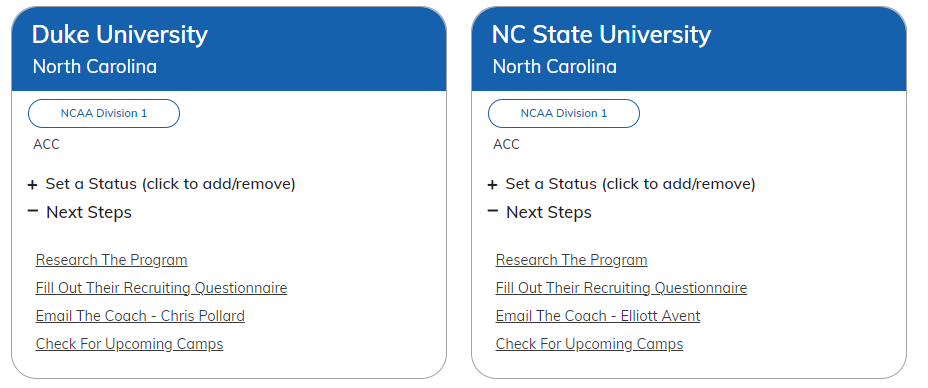
Track your progress, so you can plan your path forward.

Here's The Info You Will Have Access To
For Every NCAA & NAIA Baseball Program
An Evaluation Of The Baseball Program across 6 key metrics
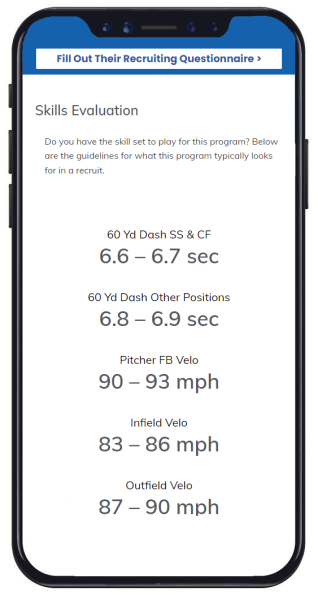
Skill set Requirements to realistically play for the program
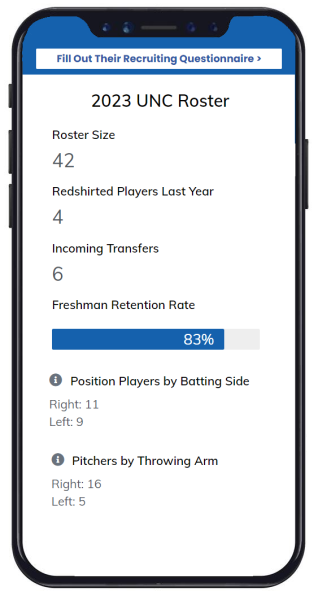
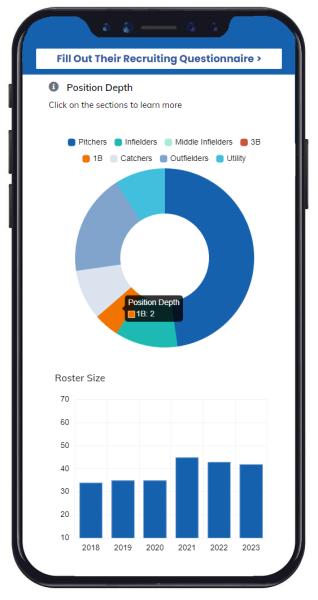
Roster Trends and Insights
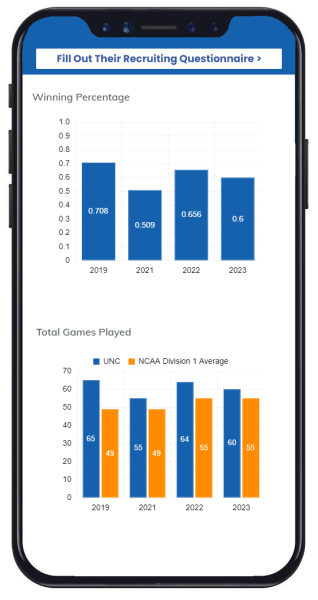
Winning Percentage and Total Games Played
Current Player Information
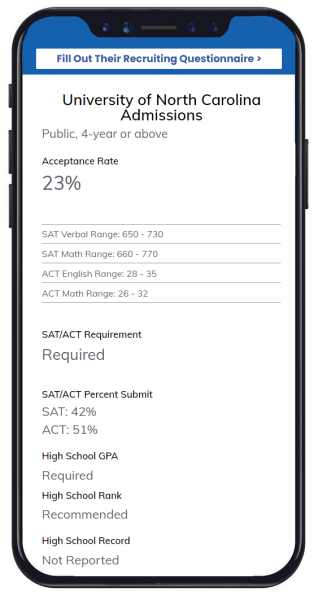
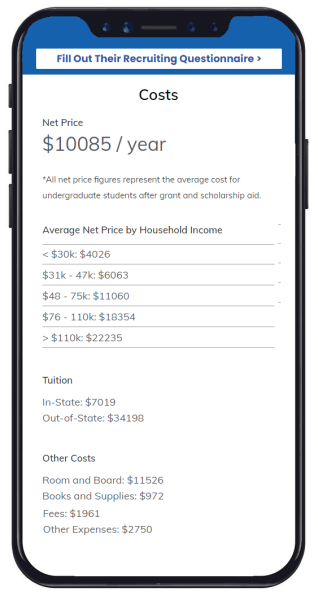
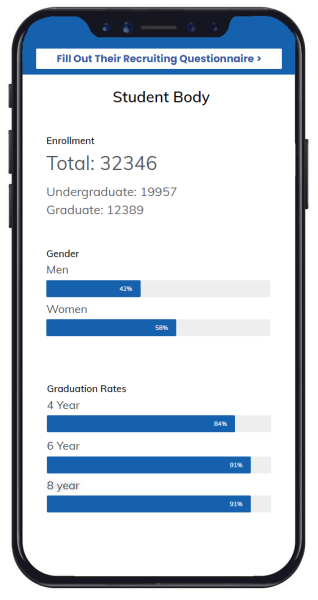
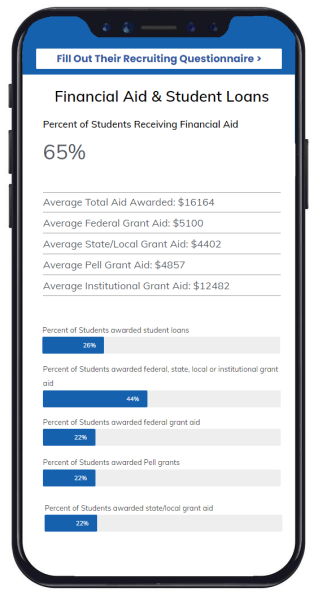
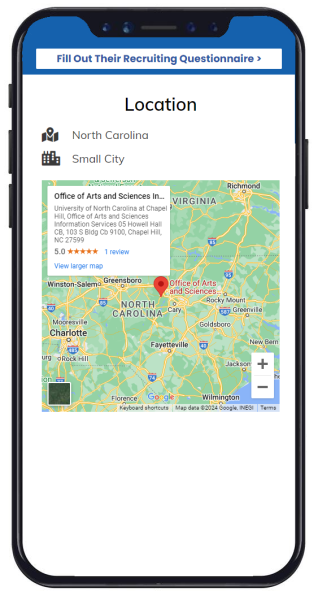
Admissions, Costs, and Student Body Info
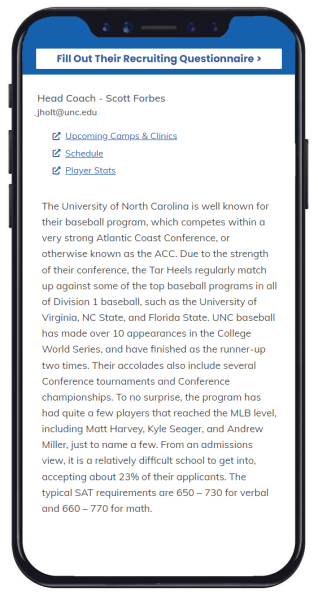
Head Coach Emails
Baseball Recruiting Questionnaires
Upcoming Camps & Clinics
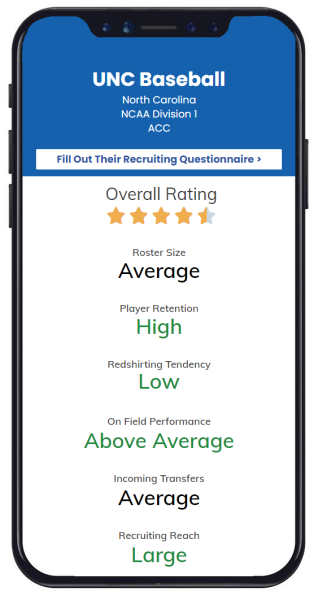
How To Use TeamFacts
Just Starting Your Search?
There are over 1,000 four-year colleges with baseball programs. With so many options, players typically overlook legitimate opportunities. Use this tool to get a better understanding of the programs that are out there. This resource will also show you the different ways that you should be assessing programs, to ensure it is the right fit.
Narrowing Down Your List?
At this point, you've already gotten a lay of the land and understand the things you should be looking for in a college baseball program. You can now filter down your search based off of your preferences and the variety of data points that are available to you in the tool.
Looking to Get Exposure to College Coaches?
As you continue your college search, you'll start to think about how you'll get exposure to the programs you are interested in. Through the tool, quickly navigate upcoming camps/clinics, schedules, and recruiting forms. You can also use TeamFacts to be more strategic with the showcase events you attend. Do some research on the attending colleges before signing up for a showcase.
Getting Interest From Coaches?
When coaches start to show interest, you can use TeamFacts to help you determine if these schools are legitimate opportunities for you as a student-athlete. Get a better understanding of the program, before you spend valuable time and resources further pursuing it.
Time to Make A Decision?
Choosing between a few options? Make sure you have a complete understanding of the program before making any decisions. If there are any data points in our tool that are concerning, you may want to address those with the coaching staff. By using TeamFacts throughout your college baseball search and recruitment, you can ensure that you are making calculated decisions.
Why Is This Data Important?
Data asymmetry is a massive challenge for aspiring college baseball players during the recruiting process. College coaches can access detailed prospective player information and performance data through scouting organizations like Perfect Game.
That same level of information is typically not available for players who want to get a better understanding of college coaches and the way they run their baseball programs. When making important college decisions, student-athletes rely on first impressions, experiences at official/unofficial visits, and word of mouth recommendations. To no surprise, these inputs fail a lot of players.
A key component of your college baseball search and recruitment should be thoroughly researching the programs that you are interested in. Rosters, records, and player statistics can tell you so much about a college coach and the baseball program as a whole.
Some of the key indicators are relatively easy to see, while others will take some time and effort to uncover. With TeamFacts, you’ll have all the data at your fingertips.
Get unlimited Access
To Every NCAA & NAIA Baseball College- An Evaluation of the program across 6 key metrics
- Skill Set the program recruits for
- Roster Trends & Insights
- Historical Program Performance
- Recruiting Questionnaires
- Upcoming Camps & Clinics
- Head Coach Contact Info
- Academic, Cost, and Student Body Info
- Save Schools and Track Your Recruiting Progress
Trusted By Players From


Testimonials
Learn More About The Metrics
Roster Size
The size of a program's roster can tell you a lot. A smaller roster provides more opportunities for playing time, but can be an indication that the program has a lower level of funding. Being a versatile player, who can play multiple positions, is extremely valuable for these programs. With a larger roster comes more competition for playing time and fewer multi-position opportunities. It may also be an indication of the program's financial budget, because each additional player comes at a cost to the university. Unlike the D1 level, some of the lower levels don't have roster size limits, so it's not uncommon to run into programs with rosters greater than 45 players.
Freshman Retention Rate
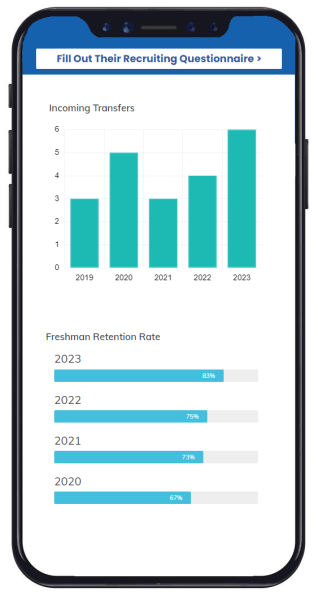
From our experiences, the highest period of volatility with player retention occurs during a player's freshman year. This metric evaluates the percentage of true freshman that returned to the program for their sophomore year, and how many did not, as a result of quitting, transferring, or being cut. Any quality program can run into a year where a significant amount of their freshman don’t return. When you see a pattern of poor player retention, that is when it should be identified as an area of concern.
Redshirts on Roster
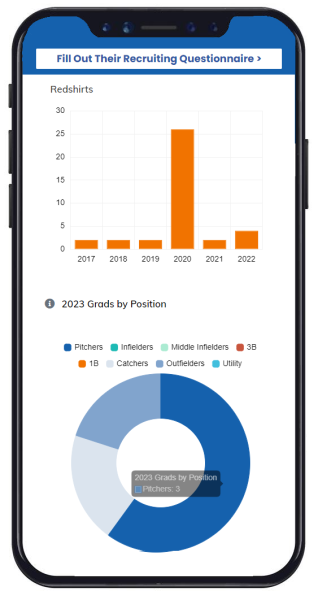
Many recruits don't realize that there is a possibility of sitting out a year to develop athletically. For programs that have tendencies of red shirting players, it is import to talk with the coach about their vision of a 5 year experience and the financial impact that may have. Sitting out a year to for development purposes will also have some eligibility impacts that will need to be ironed out.
Incoming Transfers
This metric evaluates the number of new players on the roster that transferred in from another college. It's helpful for players to understand if a coach tends to rely on a steady replenishment of transfers to fill in gaps, or if they depend on their underclassmen to develop and become contributing players. A program's tendencies in this area will have an impact on what your competition for playing time will look.
Players Graduating by Position
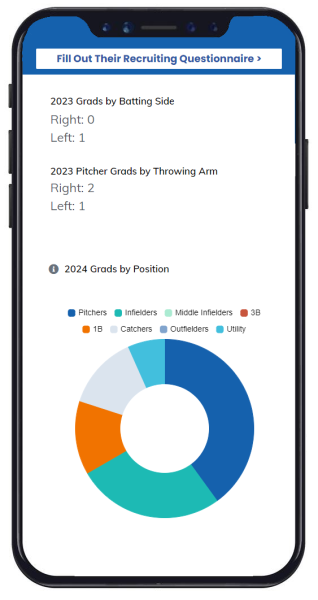
Evaluating the number of players that are projected to leave the program by position, this metric gives players a better idea of the positions that a program is in need of and is likely recruiting for. Players typically see a higher level of engagement from coaches that have a need for their position, so it's a key component to consider throughout the college baseball search.
Current Position Depth
This metric provides a breakdown of how many players are currently at each position. It's important to understand a coach's roster depth preferences. This is a great way to get a feel for the number of players that are typically stacked up at each position. This data can also be used to better understand a program's positional needs.
Program Performance
By taking a look at the performance over the past few years, players can get a better feel for the program, and can set realistic expectations with what their college baseball experience will look like. Will you have a shot at a conference championship every year? Is the program coming out of a rebuild mode with consistent progress? Is the program a bottom dweller?
Players' Majors
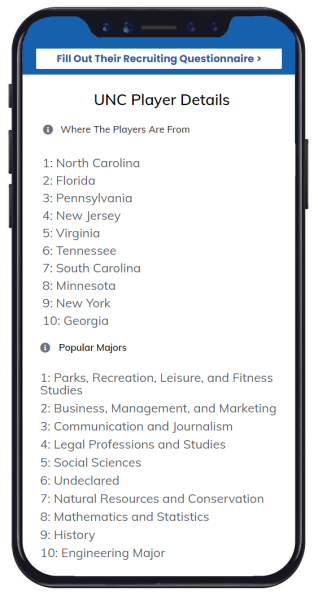
Unfortunately, there are some majors that don't mesh well with the schedule of a student athlete. Many student athletes come to the realization that they can't keep their current major and continue to play their sport, while staying on pace to graduate in four years. We provide you with a list of majors that players have been able to balance with the rigorous college baseball schedule.
Players by State
It's often overlooked, but understanding the locations where a coach typically recruits is extremely valuable. This metric provides a breakdown of where players live by state, so you can get a feel for a coach's recruiting grounds. If you don't live in those areas it might be a little more difficult to get noticed.
Depth by Batting Side and Throwing Arm
At the collegiate level, coaches are mindful of handedness as they build their rosters. During the recruiting process, it is helpful to get a feel for a program's current depth and needs, from a batting side and pitcher throwing arm perspective.
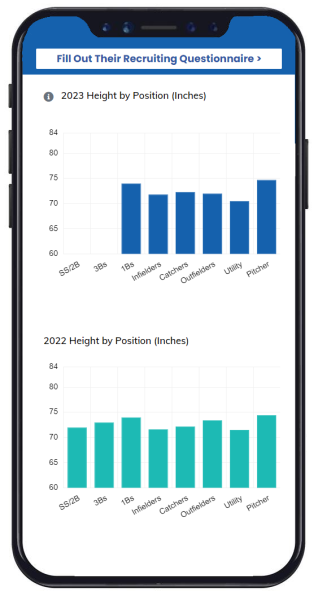
Height by Position
Some coaches have a tendency of recruiting big, physical players. This metric can help you get an understanding of the physicality of players on a positional basis.